
Azure Landing Zone Foundation
Azure landing zone, identity, network, security, and operations foundation.
Project profile
- Engagement: Azure foundation design and implementation
- Focus: Governance, identity, connectivity, security, and operations
- Output: Architecture records, configuration evidence, and operational notes
Before the first workload
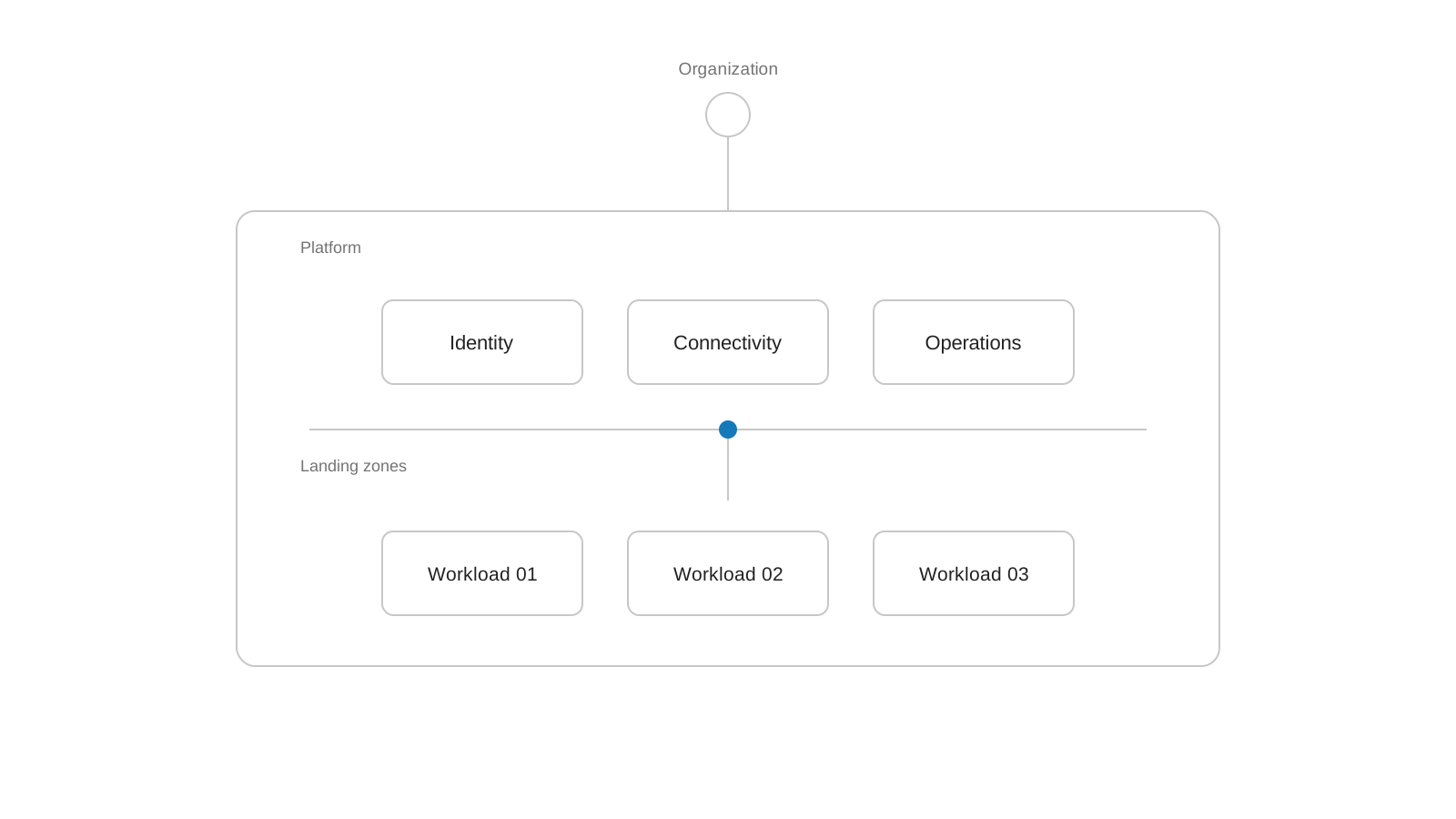
A landing zone sets the starting conditions for workloads in Azure. It defines where subscriptions sit, how access is assigned, which policies are inherited, how networks connect, and what operational data is collected.
This work was completed before production systems and business integrations were onboarded. The purpose was to avoid making the same platform decisions separately for every workload and to make ownership visible before the environment expanded.
A landing zone provides a baseline. It does not replace workload architecture, security review, or ongoing platform ownership.
What the foundation covers
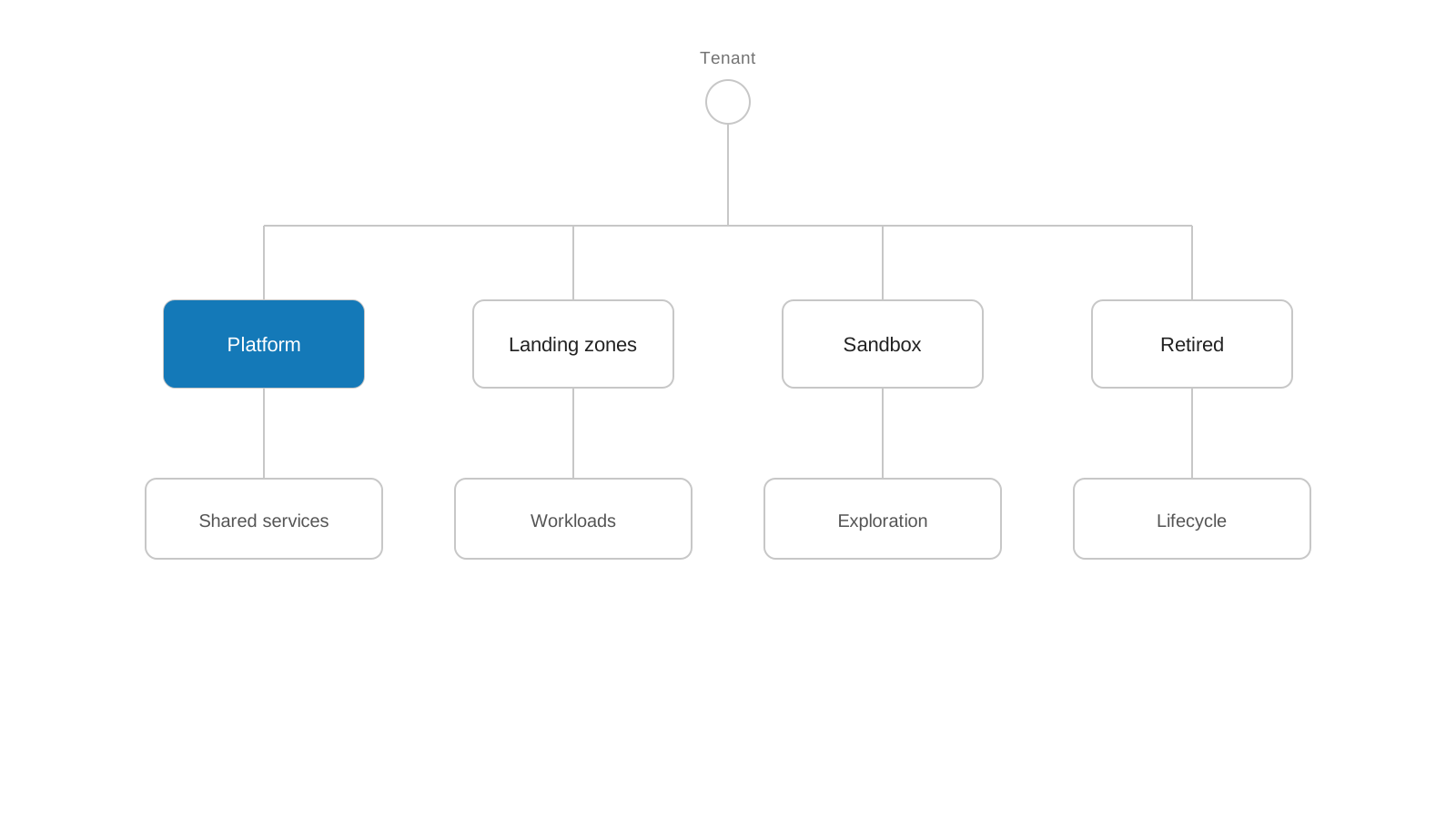
- Management group and subscription structure
- Policy inheritance and role boundaries
- Shared connectivity and private service access
- Logging, monitoring, and operational ownership
- A repeatable starting point for workload subscriptions
Decisions recorded
Resource organization
Management groups were used for policy and access inheritance. They grouped environments with similar control and lifecycle needs rather than copying the organization chart. Subscriptions were used as boundaries for workload ownership and operation.
Identity and access
Shared platform changes and workload administration were treated as different responsibilities. Role assignments, privileged activities, emergency access, and escalation paths were recorded so that access decisions remained understandable after handover.
Connectivity and operations
Connectivity, routing, DNS, and private access were considered together because they depend on each other. Logging and monitoring were included in the baseline, with responsibilities divided between platform and workload owners. The objective was to collect operationally useful signals, not every available signal.
What to be aware of
A landing zone is not a finished cloud platform. It needs an owner, a change process, and regular review.
- Policies need owners and an exception process; otherwise they become difficult to change safely.
- A compliant subscription does not mean the workload inside it is secure or well designed.
- Identity, network, and logging decisions must be revisited as the organization and Azure services change.
- Reference diagrams are starting points. The implemented structure should follow actual responsibilities and constraints.
Delivery and handover
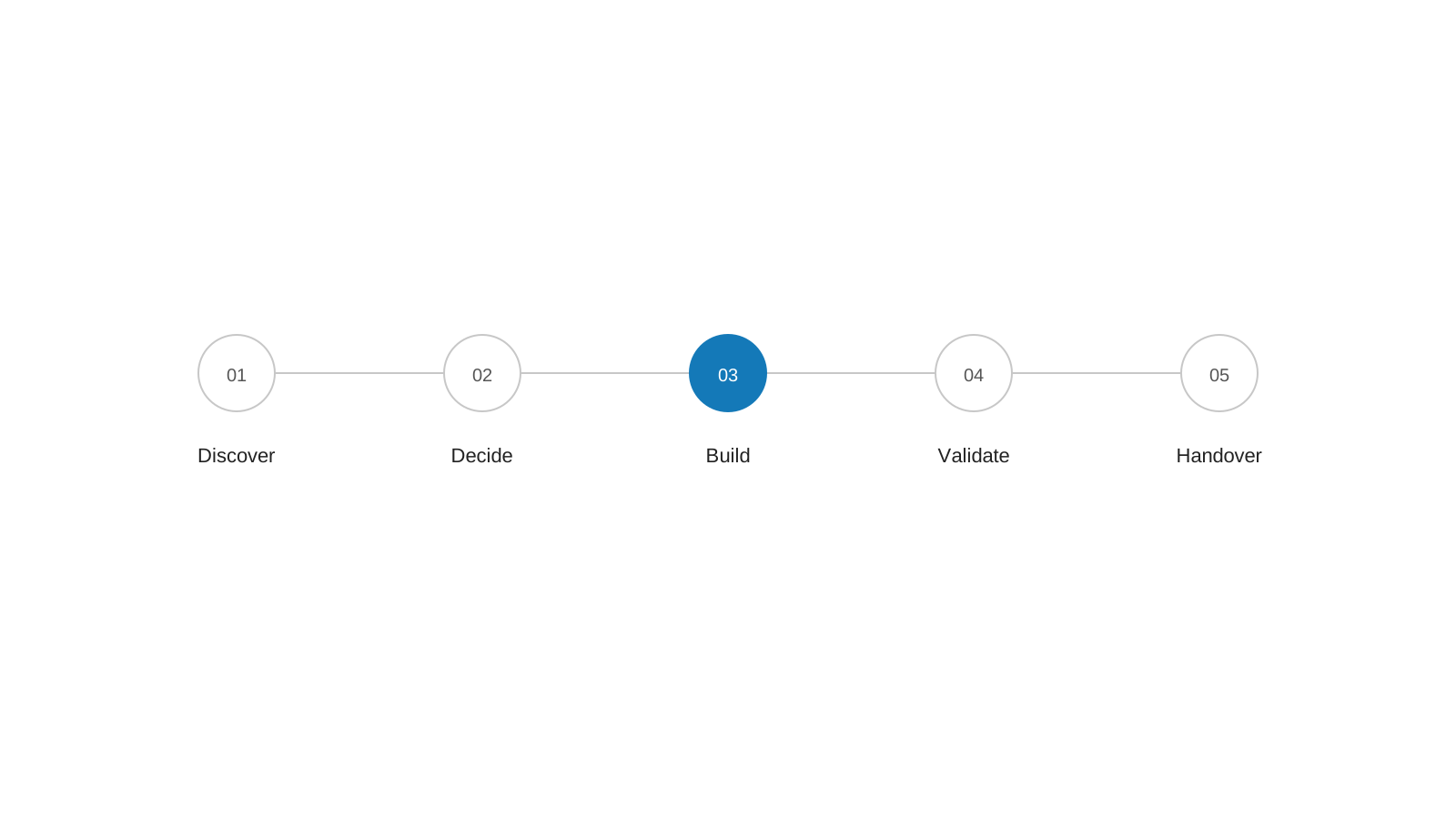
The work moved through discovery, design decisions, implementation, validation, and handover. Architecture notes and configuration evidence were updated during delivery rather than written only at the end. Open decisions and later improvements were recorded as a backlog.
Outcome
The project established an Azure baseline with documented ownership, controls, connectivity expectations, and operational responsibilities. Future workloads can start from that baseline, but each workload still requires its own architecture and security decisions. The baseline should be reviewed as the environment changes.
Evidence of delivery
- Architecture and topology notes
- Management group and subscription decisions
- Policy and role-assignment evidence
- Connectivity and private-access records
- Logging and operational responsibility notes
- Runbooks and handover backlog